The content is deep. The buildings are remarkable. The experience still arrives late, or not at all, because it never reaches the visitor at the right place and the right moment.
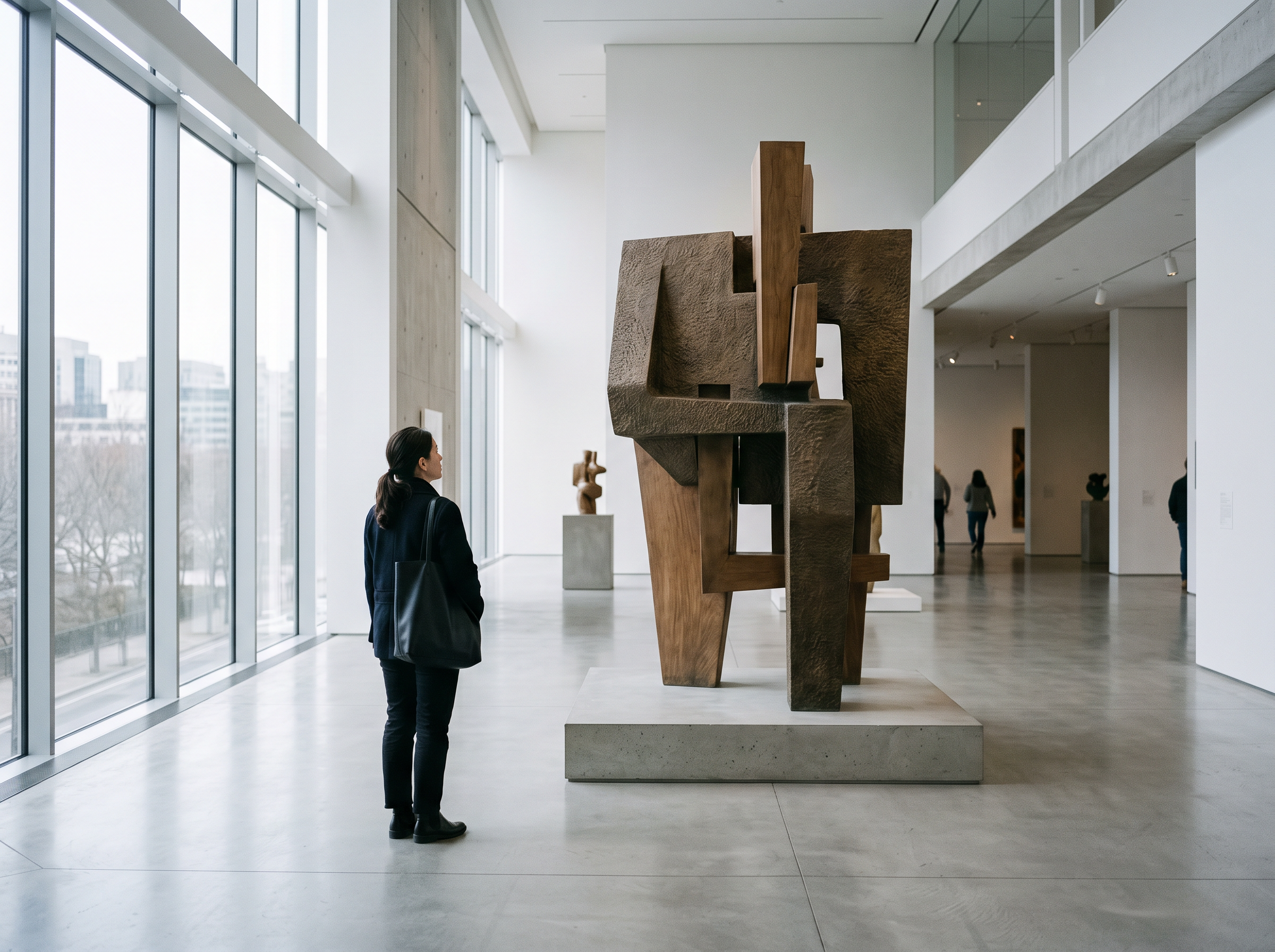
Static signage and paper maps show the same route to every visitor, regardless of pace, interest or group size. Audio guides are queued for, carried, and often abandoned halfway through the visit.
Content is deep, but it does not arrive at the moment of curiosity. It arrives at a fixed point on a printed map instead.
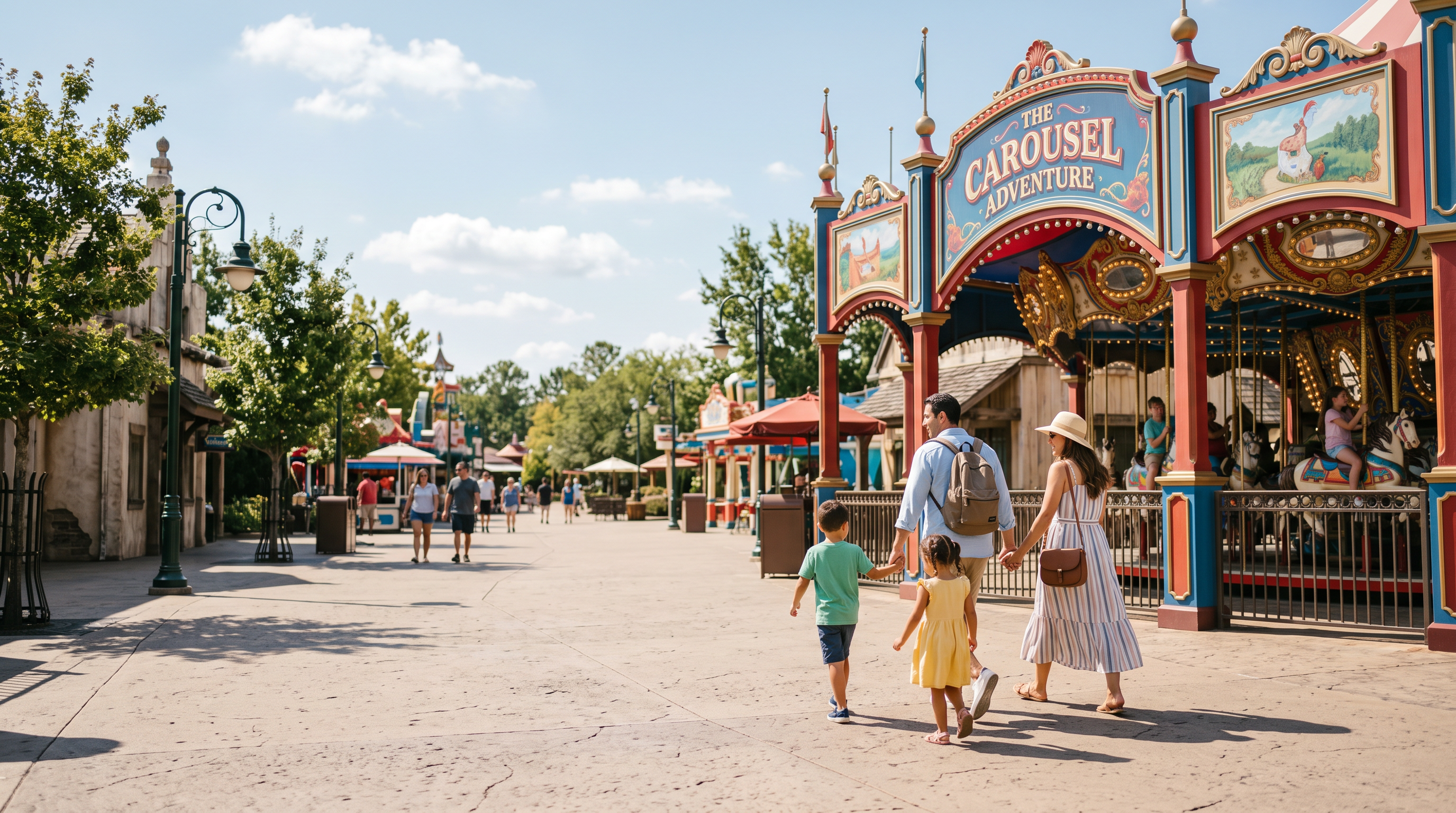
In large indoor and outdoor venues, losing sight of a child or a group member is one of the most frequent and most stressful visitor incidents reported by operators.
Phone calls in loud, crowded, low-signal environments rarely solve the problem quickly.
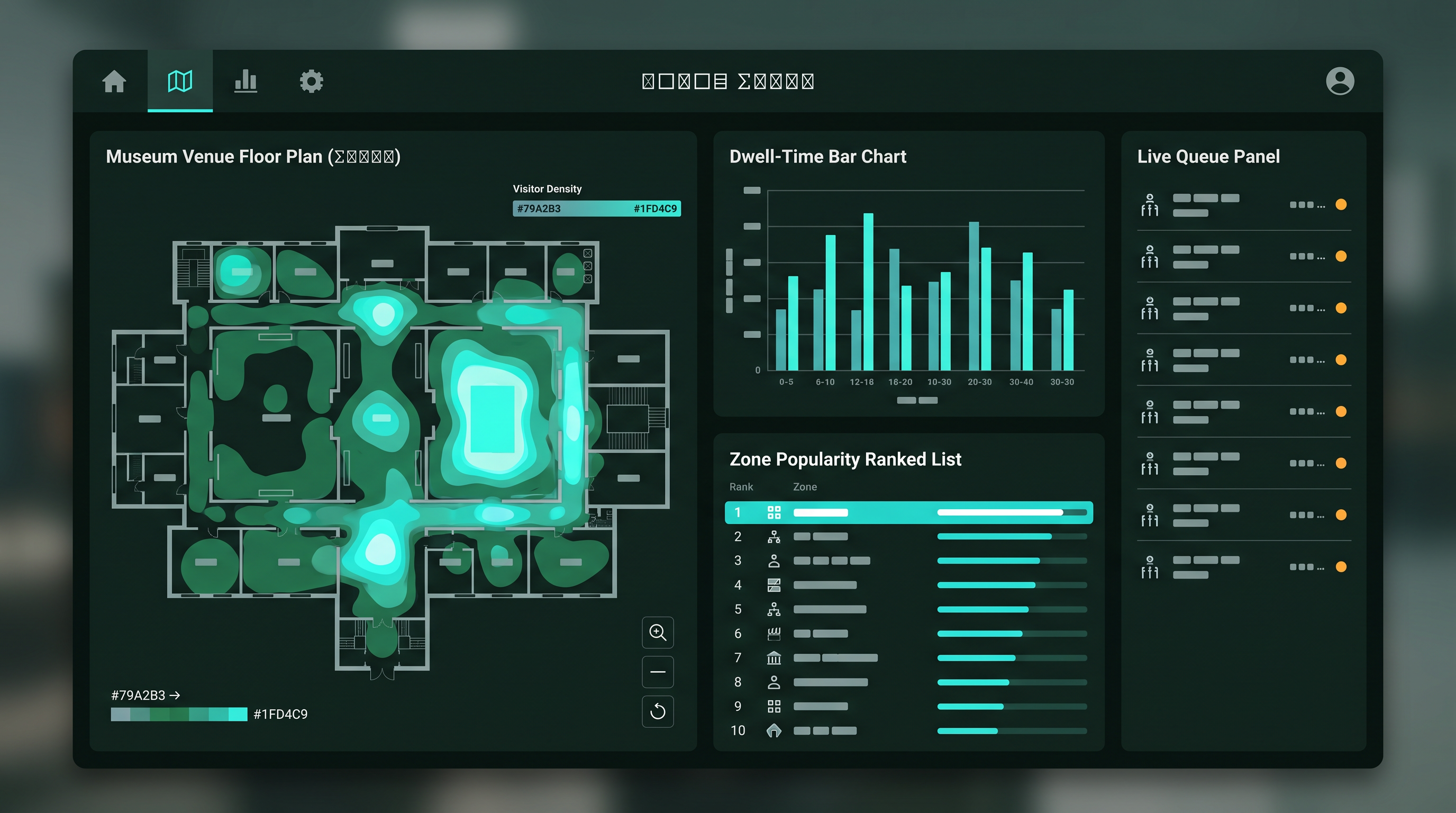
Perceived wait time is a leading driver of visitor satisfaction scores, often ahead of the content itself. Yet most visitors have no live view of where the short queues are right now.
They wait where they arrived, not where waiting would be shortest.
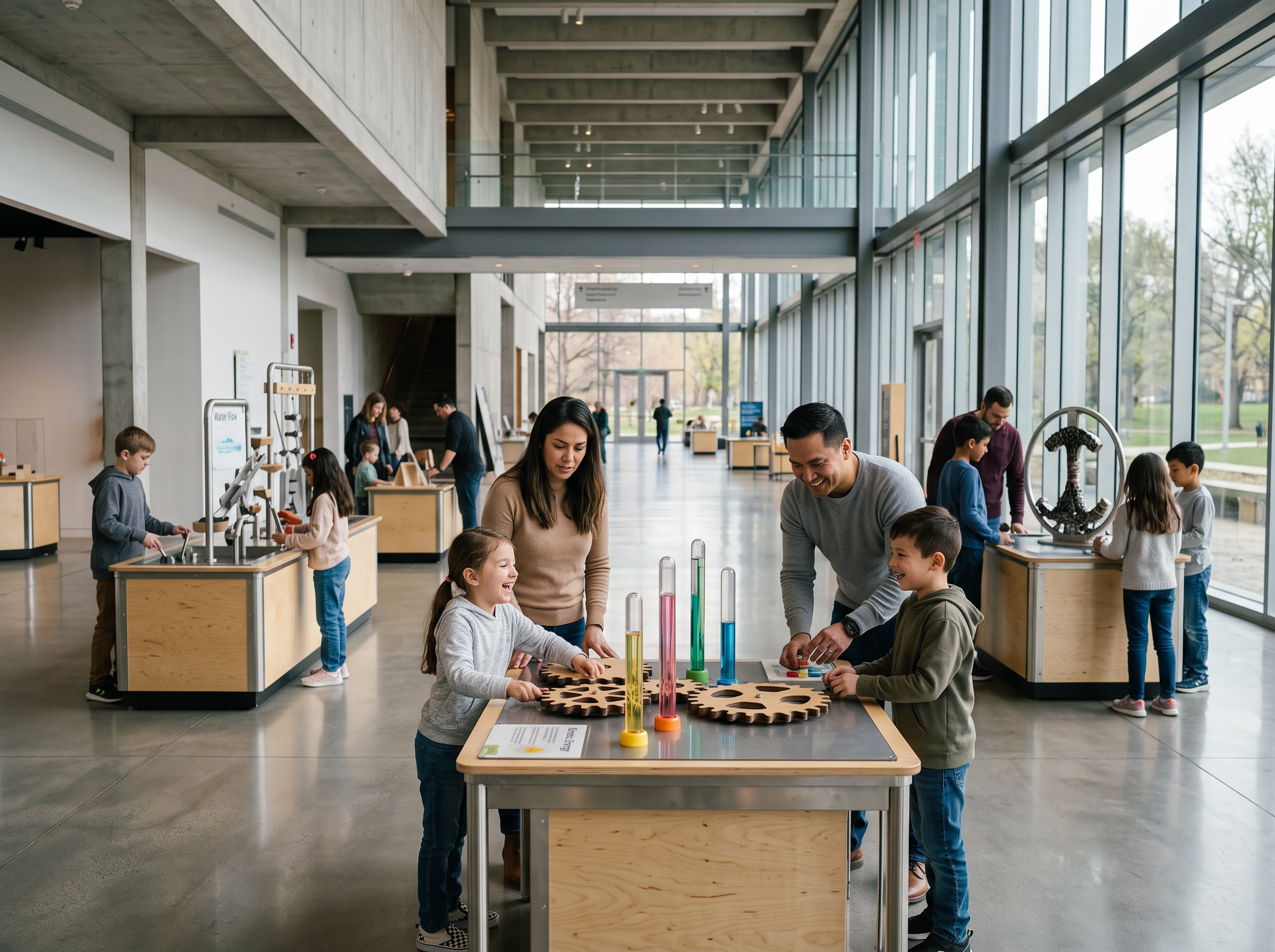
Turnstile counts and post-visit surveys arrive after the fact. They cannot redeploy staff, rebalance a crowded zone, or move a retail offer while the visit is still happening.
By the time the report lands, the moment to act on it has already passed.
Every venue already generates rich signals about how people move, what they linger on and where they get stuck. What is missing is not more data. It is a spatial intelligence layer that delivers the right signal at the right place, at the right moment.
The next page walks through how positioning, context and delivery come together across four simple steps.
 Experiatyca