The same four stages, sense, resolve, understand, deliver, apply differently depending on what a venue is and how people move through it.
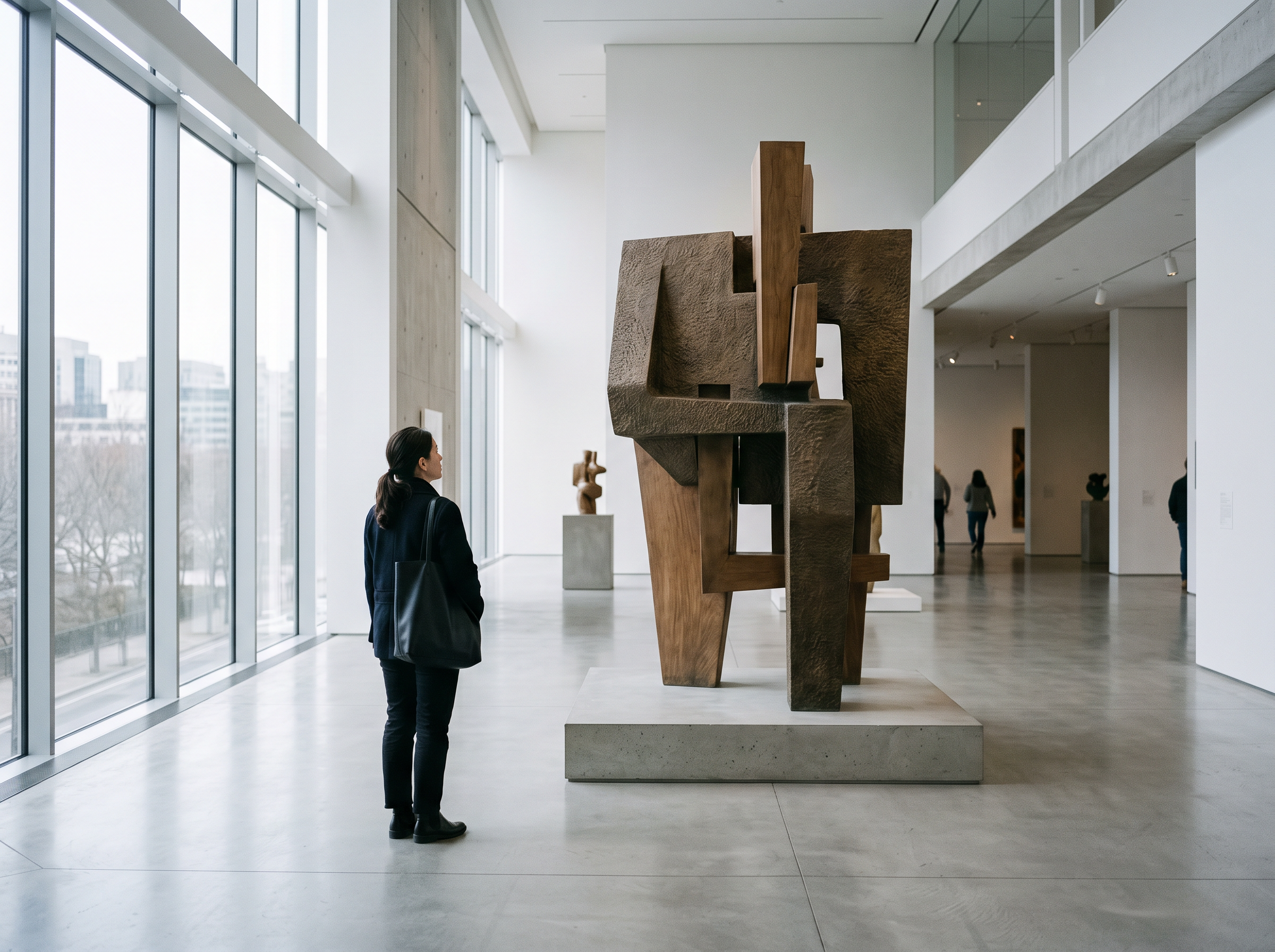
I walk up to a sculpture and my earpiece quietly picks up context on the artist and the piece, without me scanning a code or joining a queue for a headset. When I want to see the next gallery, a slim line on my screen shows the way.
Operator outcome, modelled projection: lower reliance on printed guides and a clearer read on which galleries hold attention longest.
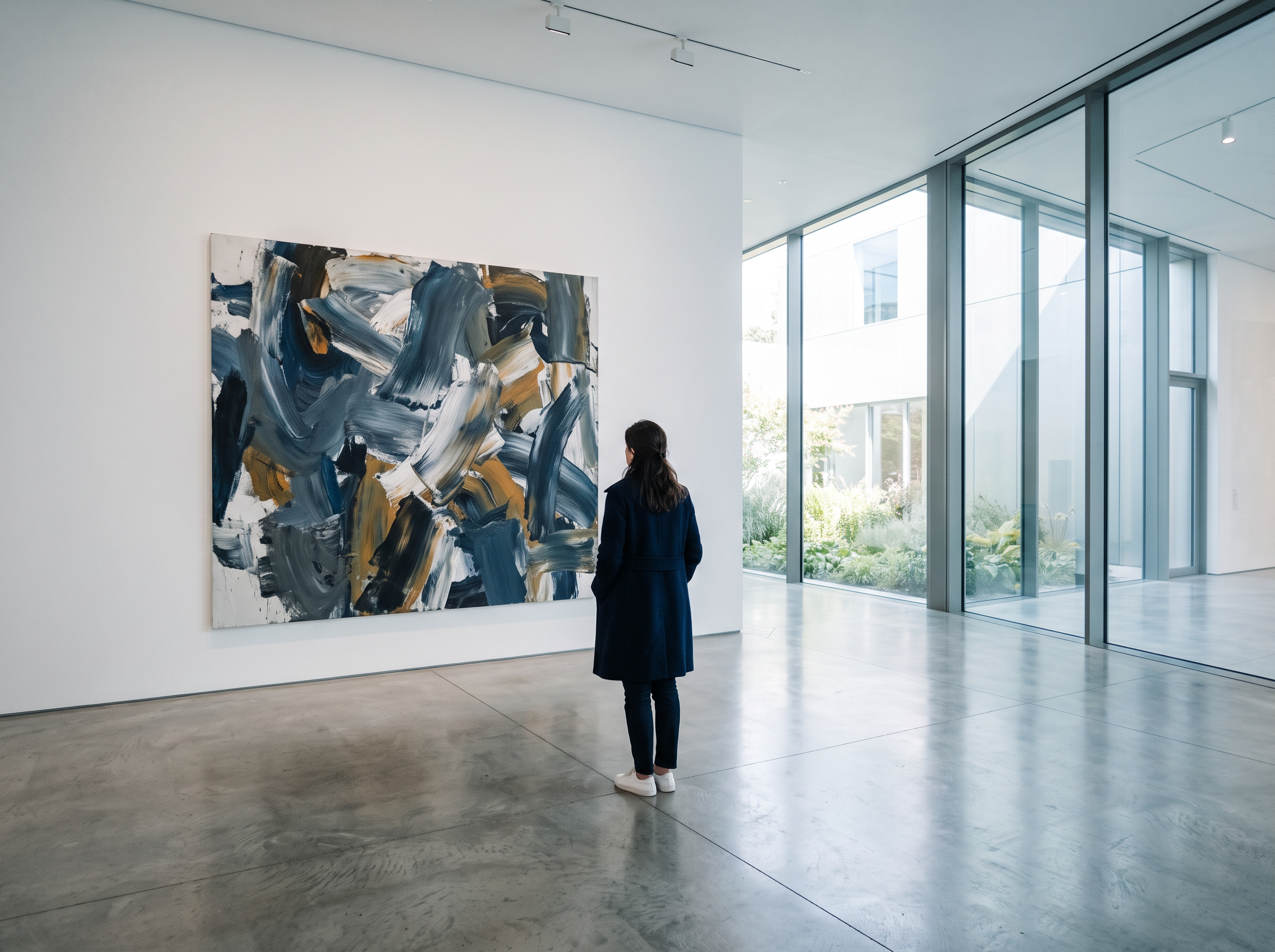
I stop in front of a painting I do not recognise and want to know who made it and why it is here. A short, well-written note on provenance appears, and a trail links it to two related works elsewhere in the building.
Operator outcome, modelled projection: a clearer picture of which works and trails hold visitor attention across a rotating programme.
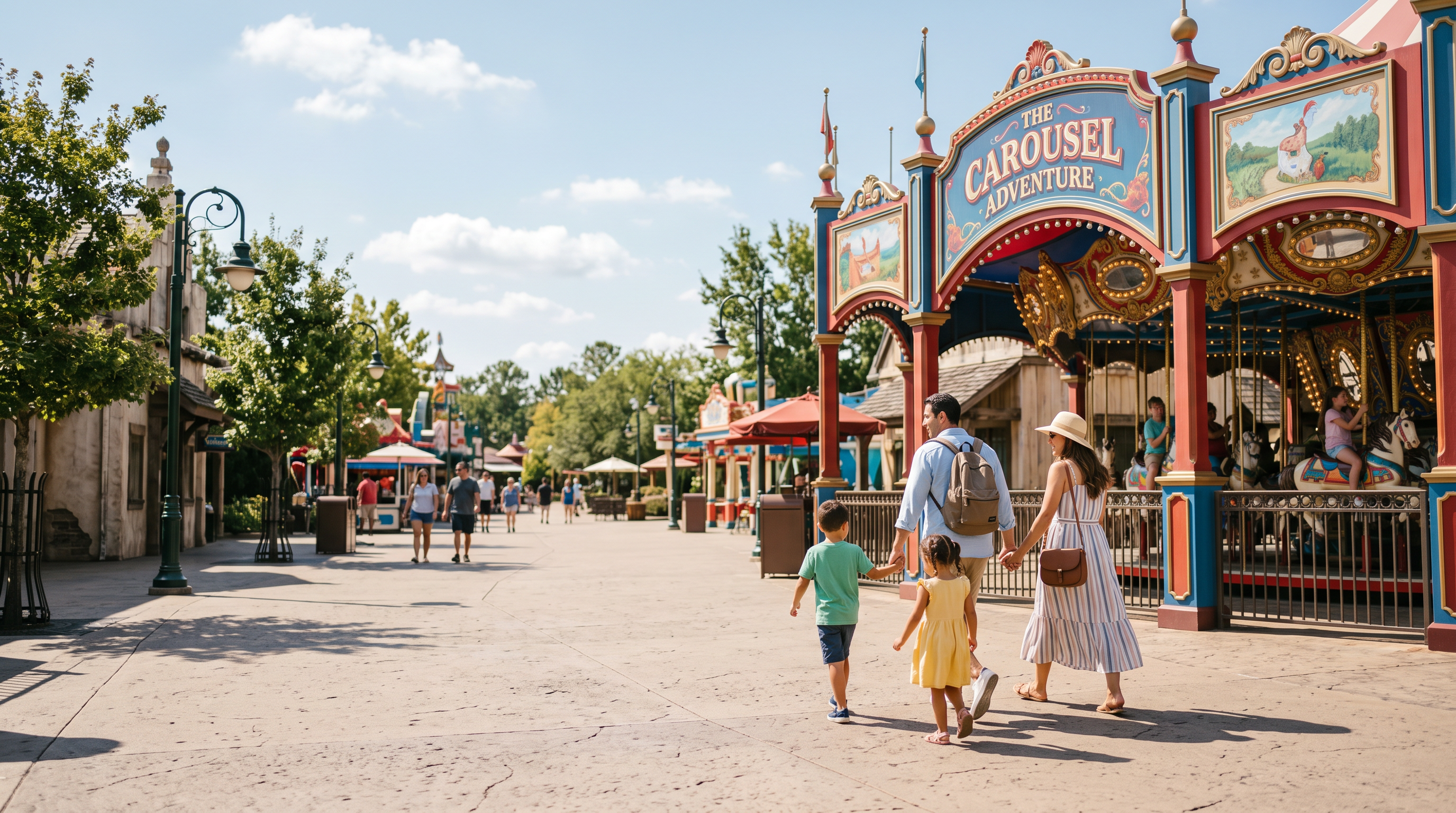
My phone shows the real wait time at the ride ahead, not an estimate from an hour ago. When my group splits up to hit different rides, a small map shows where everyone is, so we can meet without a single phone call.
Operator outcome, modelled projection: more even attraction demand across the day and fewer lost-child incidents reported at guest services.
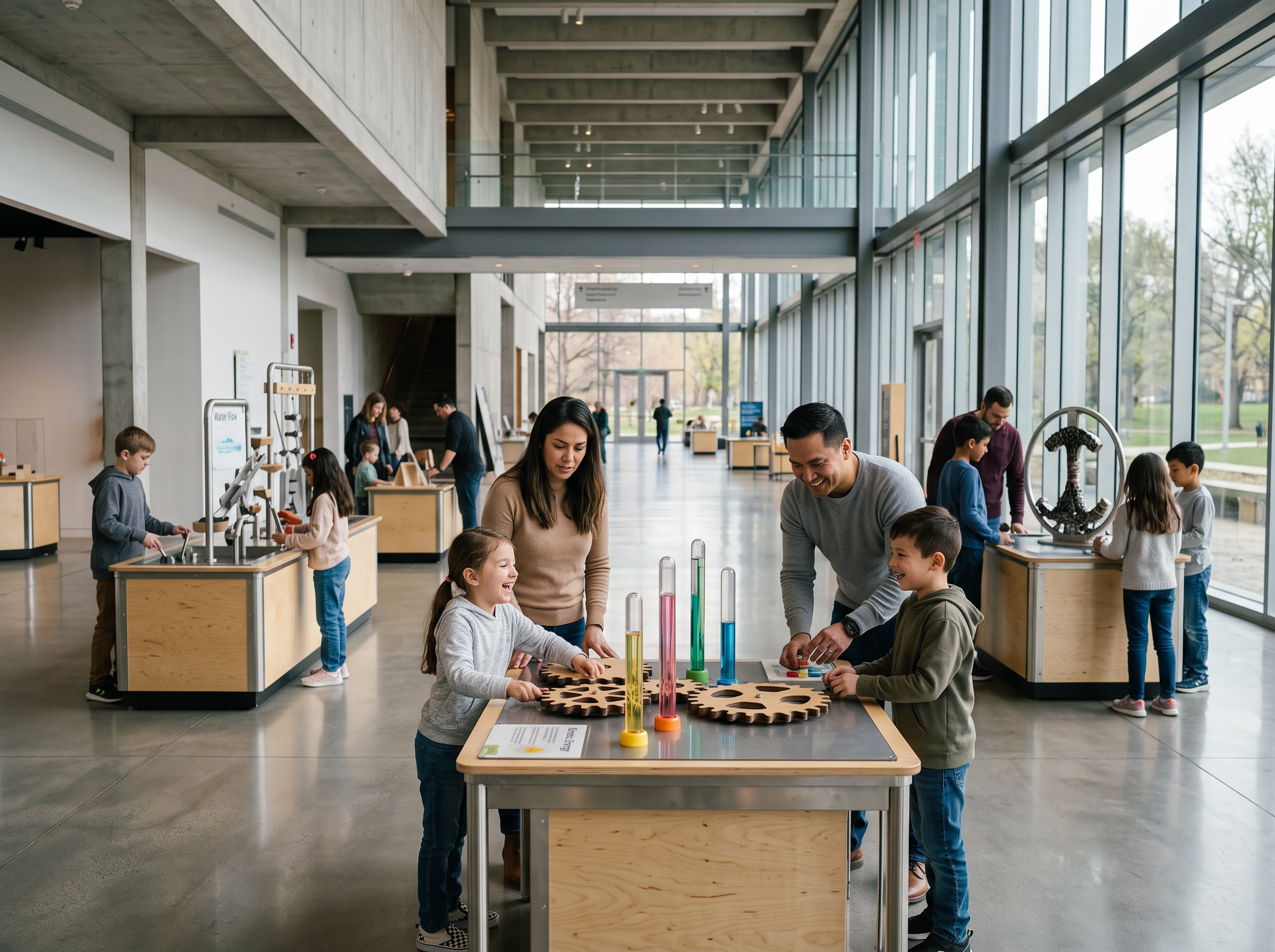
My class arrives in a group of thirty, and the app quietly guides each pair of students to the station they have not tried yet. A teacher can see at a glance where every group actually is.
Operator outcome, modelled projection: more balanced station usage during peak school-visit hours and clearer evidence for education funders.
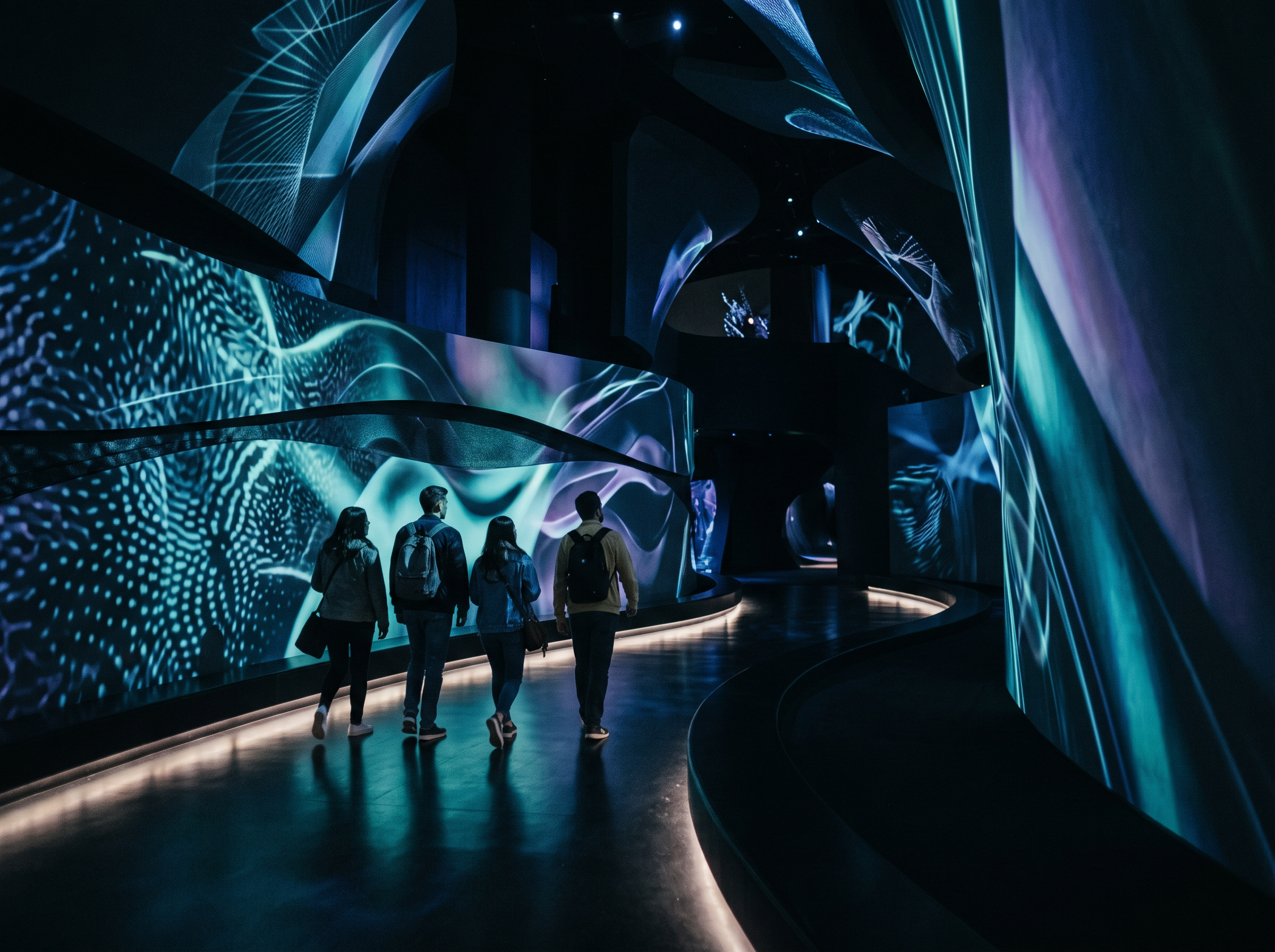
I move into a darkened room and a sequence begins exactly when my group is in position, not before. Capacity in the next room is already balanced, so we do not wait once we arrive.
Operator outcome, modelled projection: tighter session pacing and fewer bottlenecks between connected rooms during peak hours.
The same platform, five different balances of storytelling, routing and flow.
| Venue type | What the visitor gets | What the operator gets |
|---|---|---|
| Museums | Context at the exhibit, adaptive self-guided routing | Gallery-level engagement data, printed-guide savings |
| Galleries | Provenance and collection trails at the work itself | Attention data across rotating exhibitions |
| Theme Parks | Live wait times, family finder, zone routing | Balanced demand, fewer lost-child incidents |
| Science Centres | Station guidance, teacher-facing group view | Balanced station usage, funder-ready evidence |
| Immersive Zones | Position-triggered sequences, shorter room waits | Tighter session pacing, fewer bottlenecks |
 Experiatyca